


Architecture
3D Scans
"Photogrammetry & Gaussian Splats"
The Process
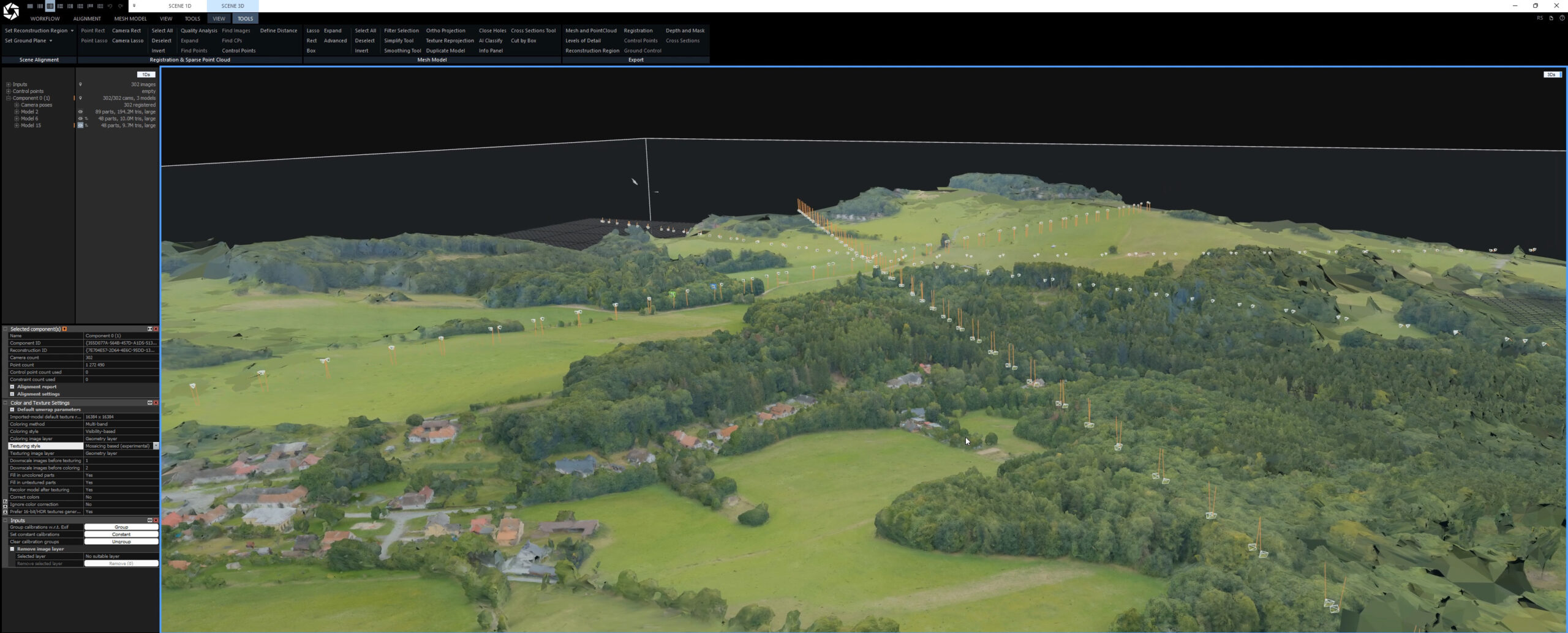
As I became more fascinated by architecture and wanted to apply my skills to new types of visualization, the path naturally led me to photogrammetry. This is especially true when working in the Epic Games ecosystem, where you have access to tools like the Quixel Megascans library of scanned assets and RealityScan (formerly RealityCapture), a go-to software for photogrammetry.
Combined with Unreal Engine 5 and its Nanite virtualized geometry, this workflow makes it possible to import extremely high-detail polygon meshes and work with them smoothly inside 3D scenes.
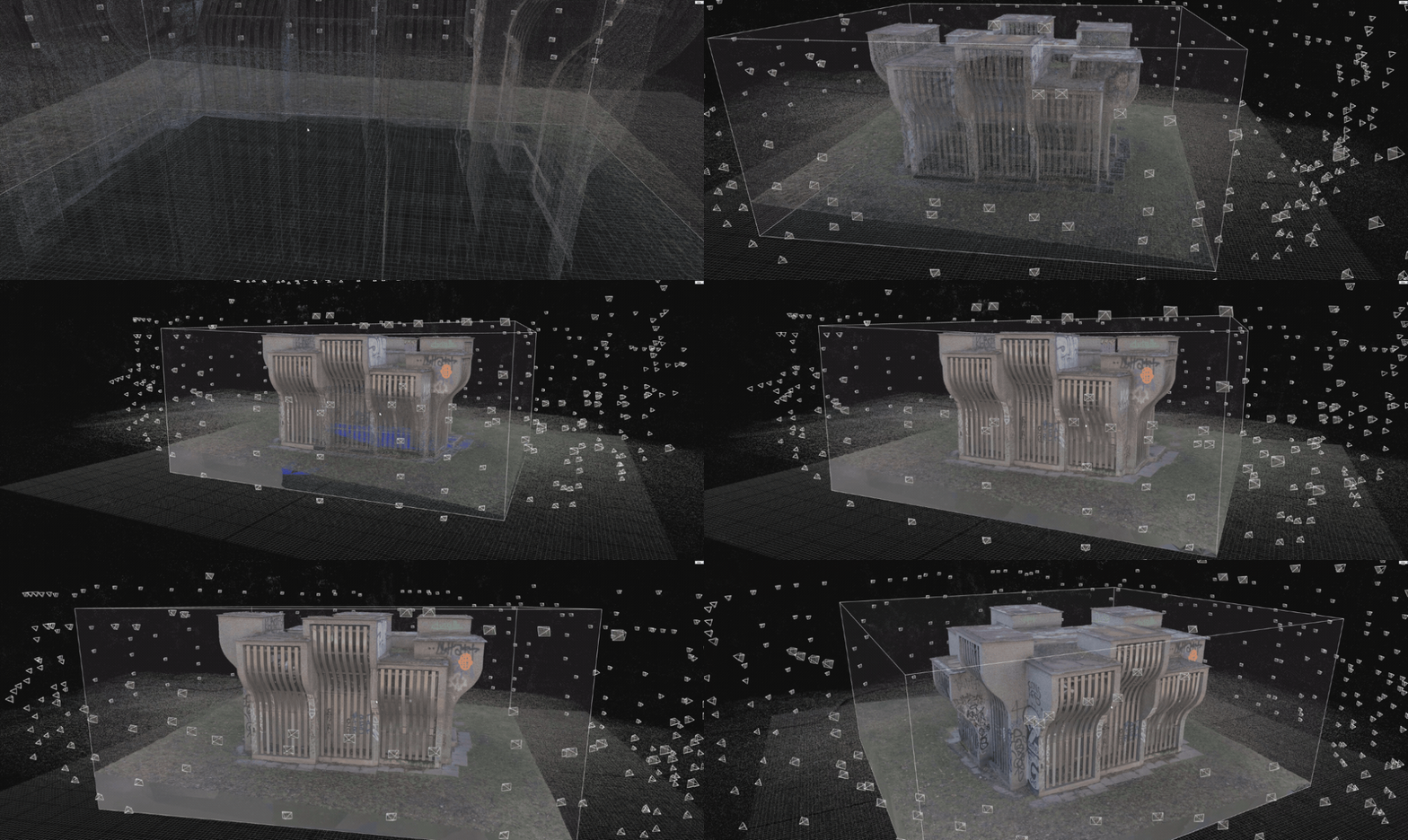
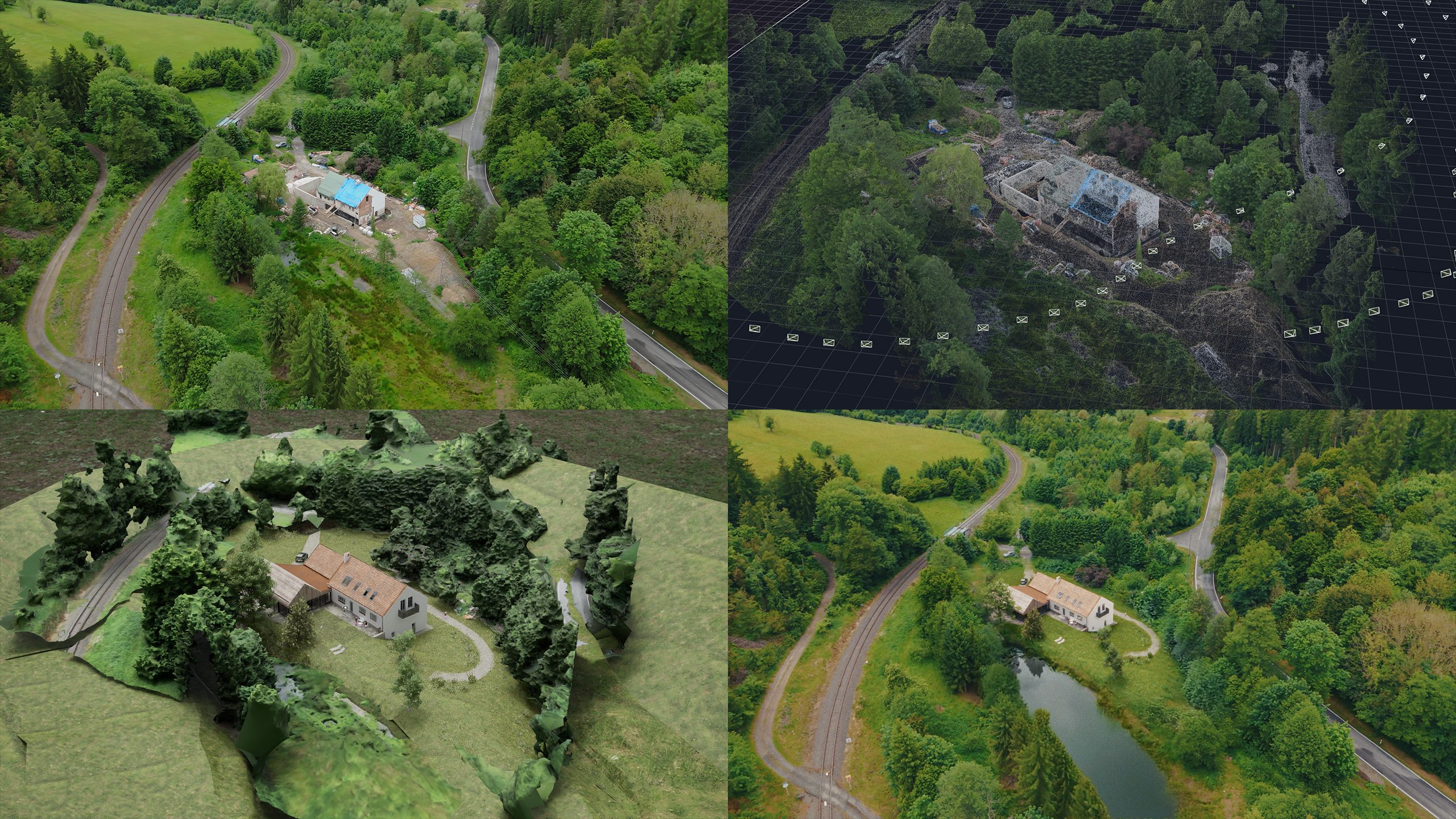
I can create scanned assets of buildings or their elements, as well as larger environments for background use. These assets can serve many purposes: as a digital twin for archival and documentation, as background elements providing accurate reflections and shadows in 3D scenes, or as a starting point for architectural design — ideal for measuring distances or working with complex terrain profiles.
Big thanks to my brother Jan Smékal for this design.
Photogrammetry & Gaussian Splatting
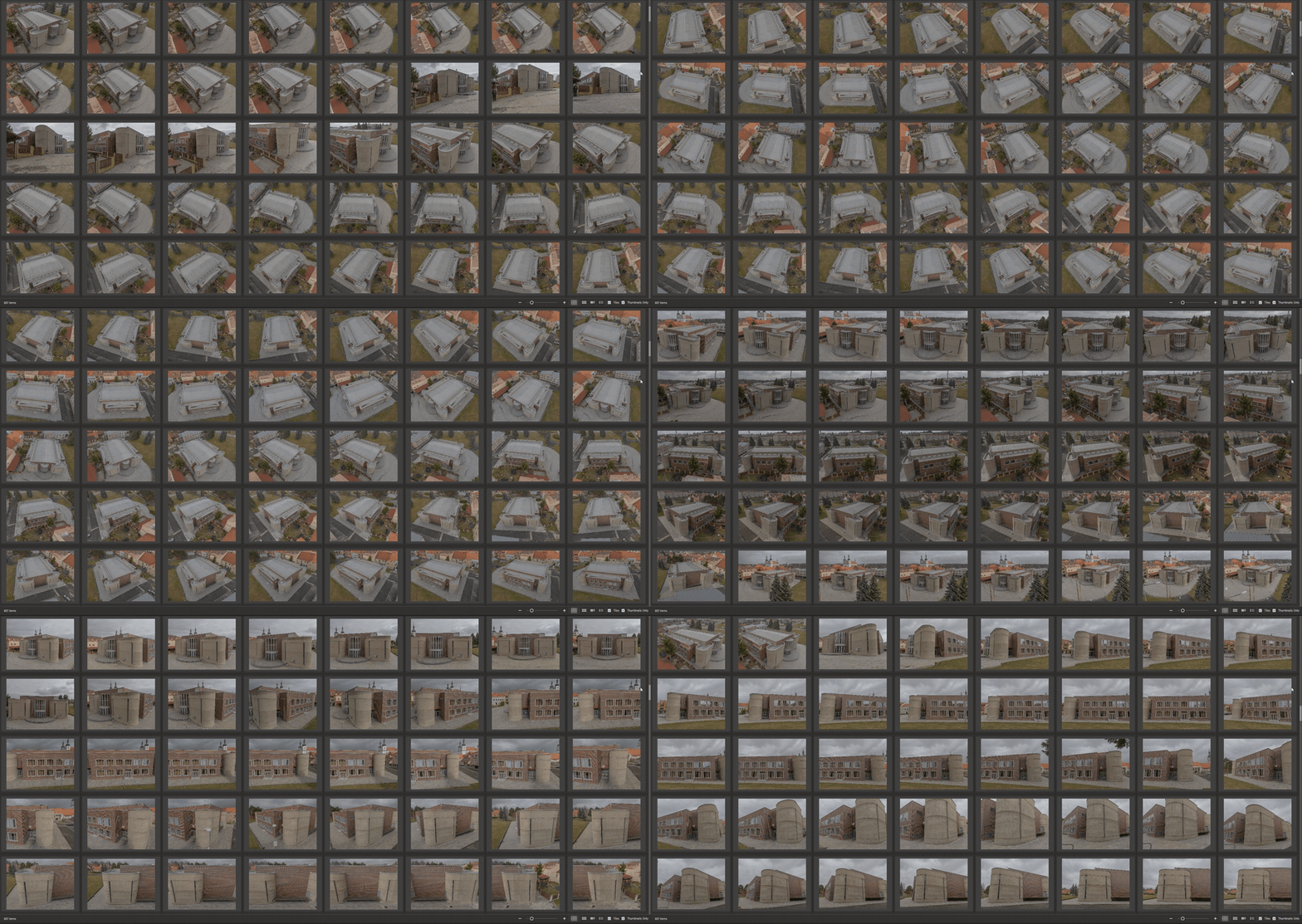
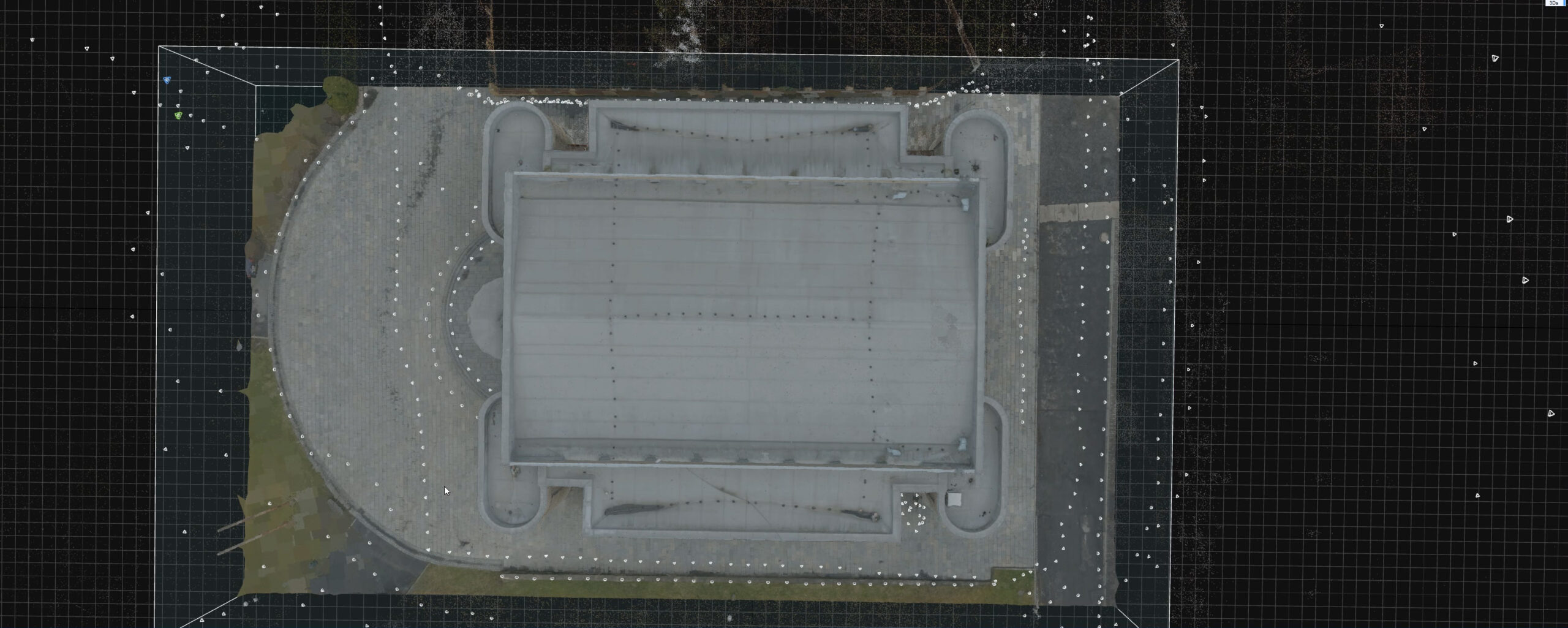
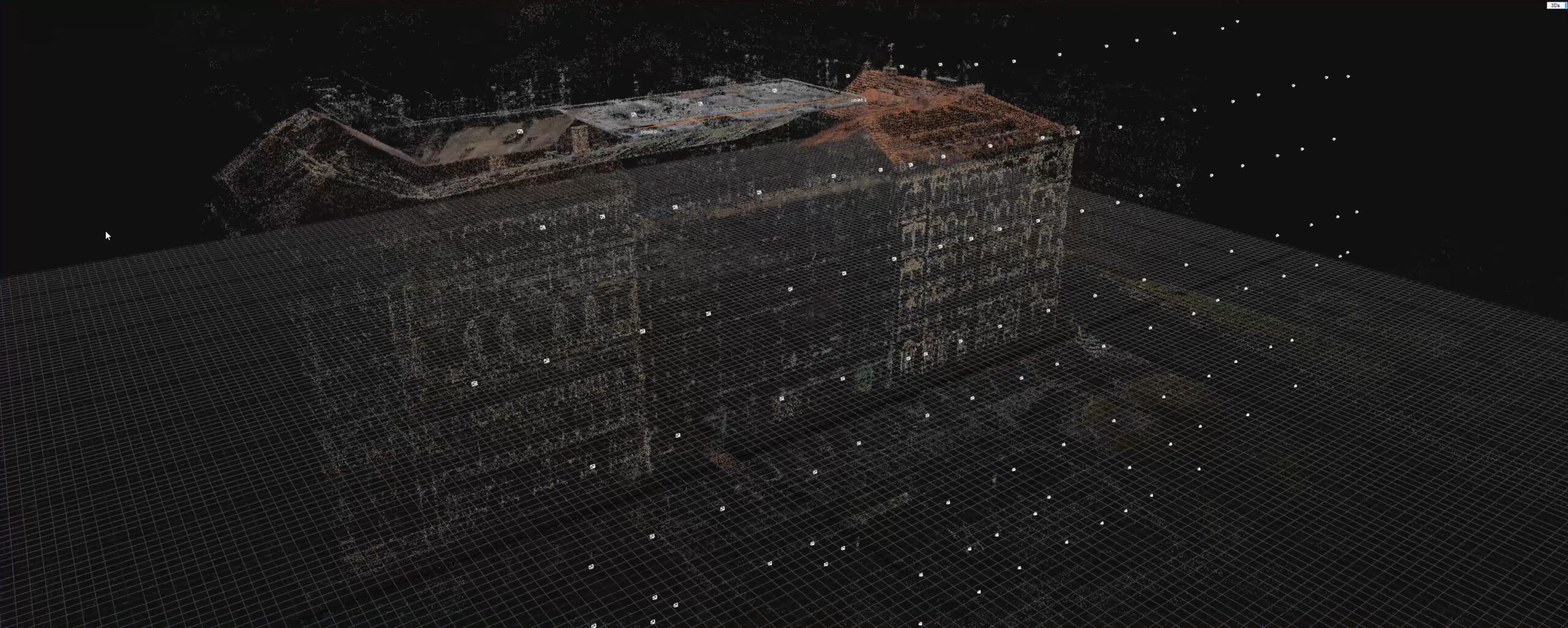
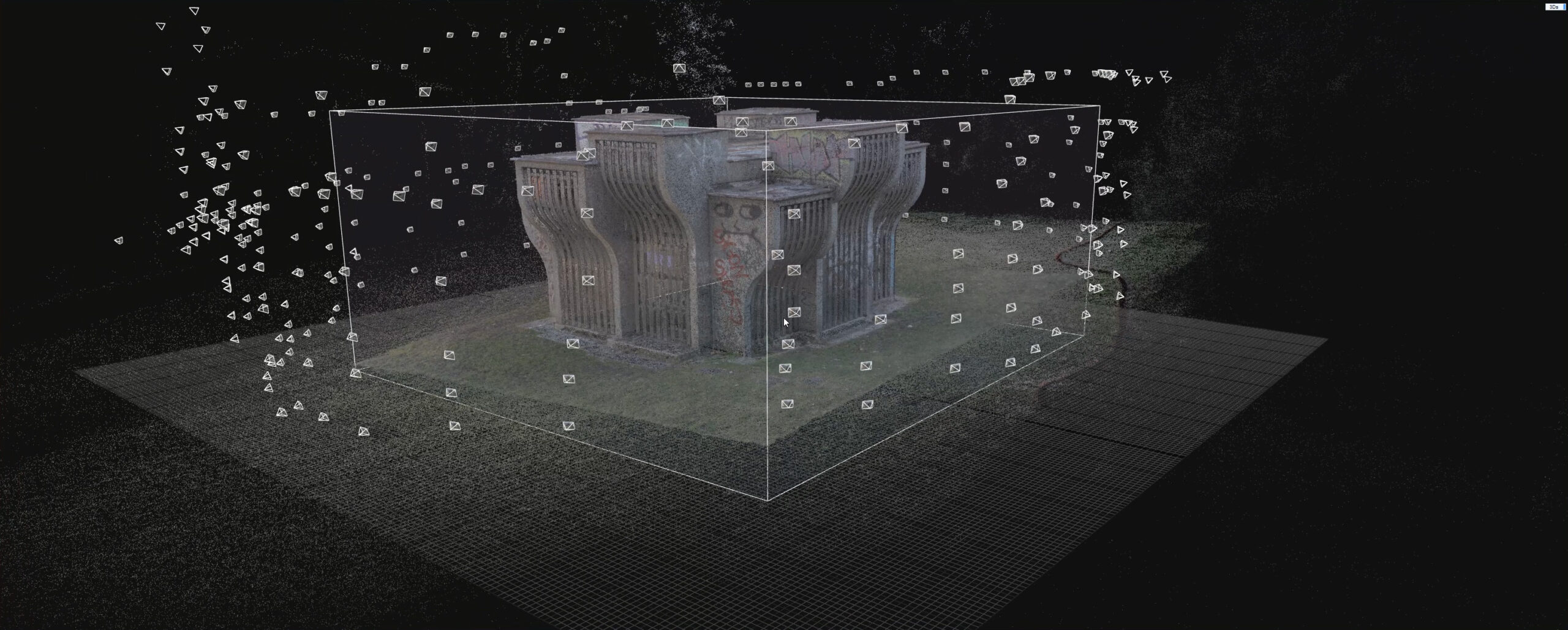
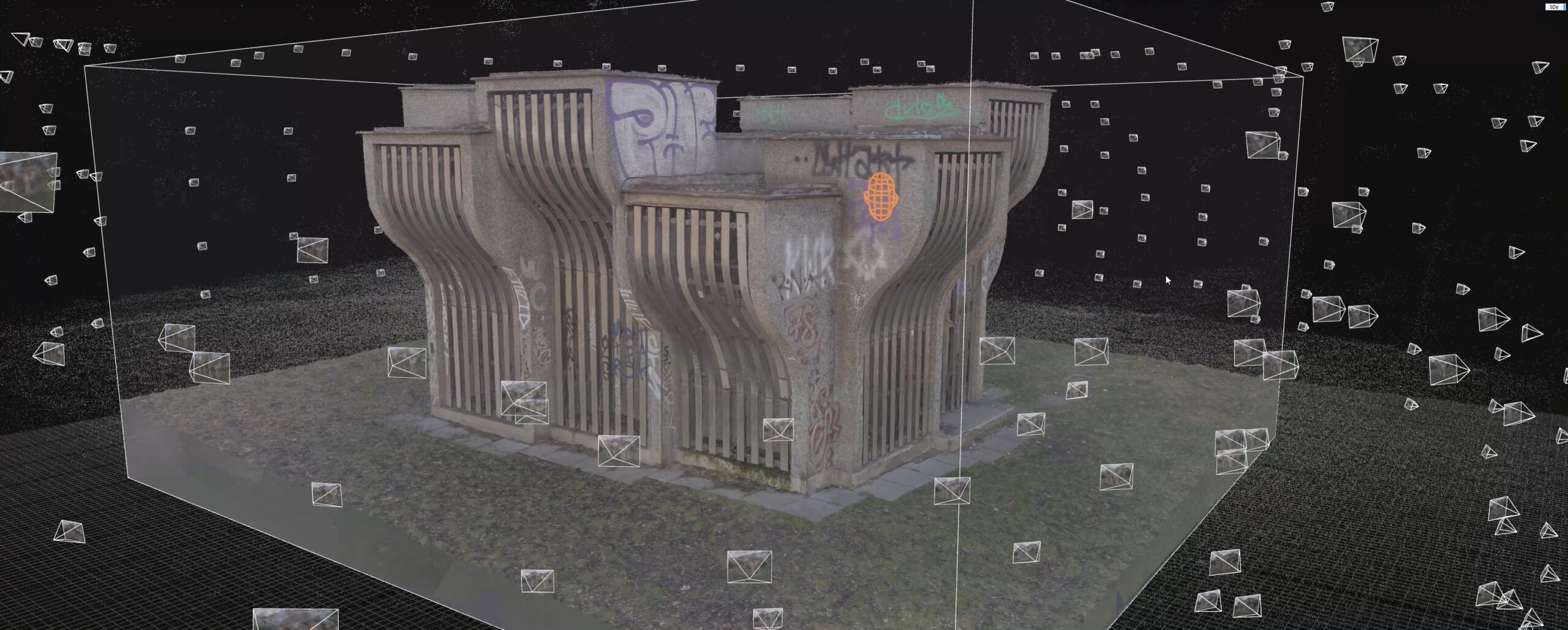
Every capture starts with taking many photographs from as many angles as possible. This can be done with a digital still camera from the ground or with a drone for higher and hard-to-reach angles. The photos are then processed and color-treated before being imported into RealityScan, which aligns the cameras and generates a point cloud of the object.
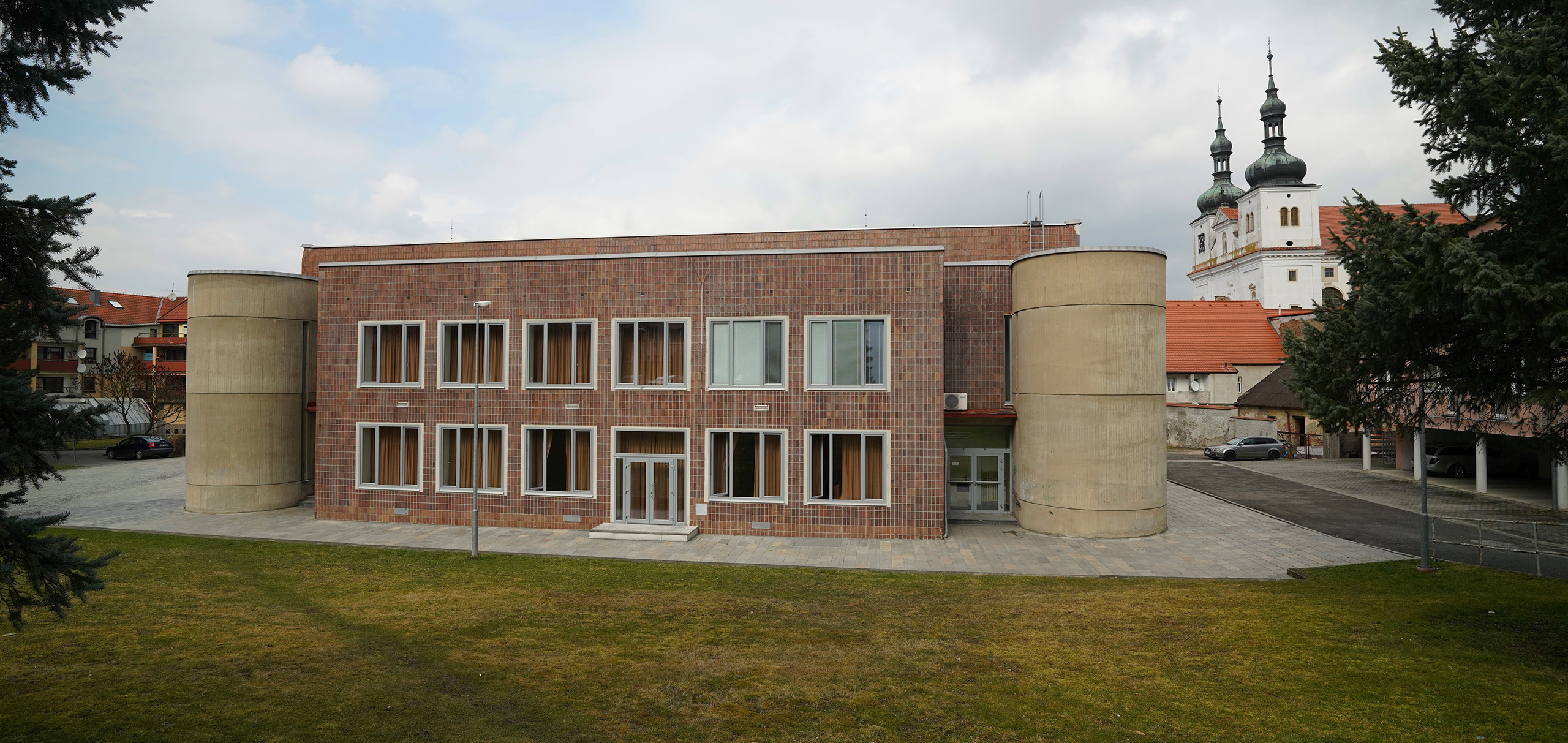
From this point cloud, a 3D mesh with textures can be generated. The benefit of this method is that the model acts like any other 3D object: it can be lit, cast shadows, and integrated into a lit environment. The downside is that some fine detail may be lost, certain areas can look “blobby,” and reflective surfaces like windows are problematic since reflections don’t exist as actual geometry in 3D space.
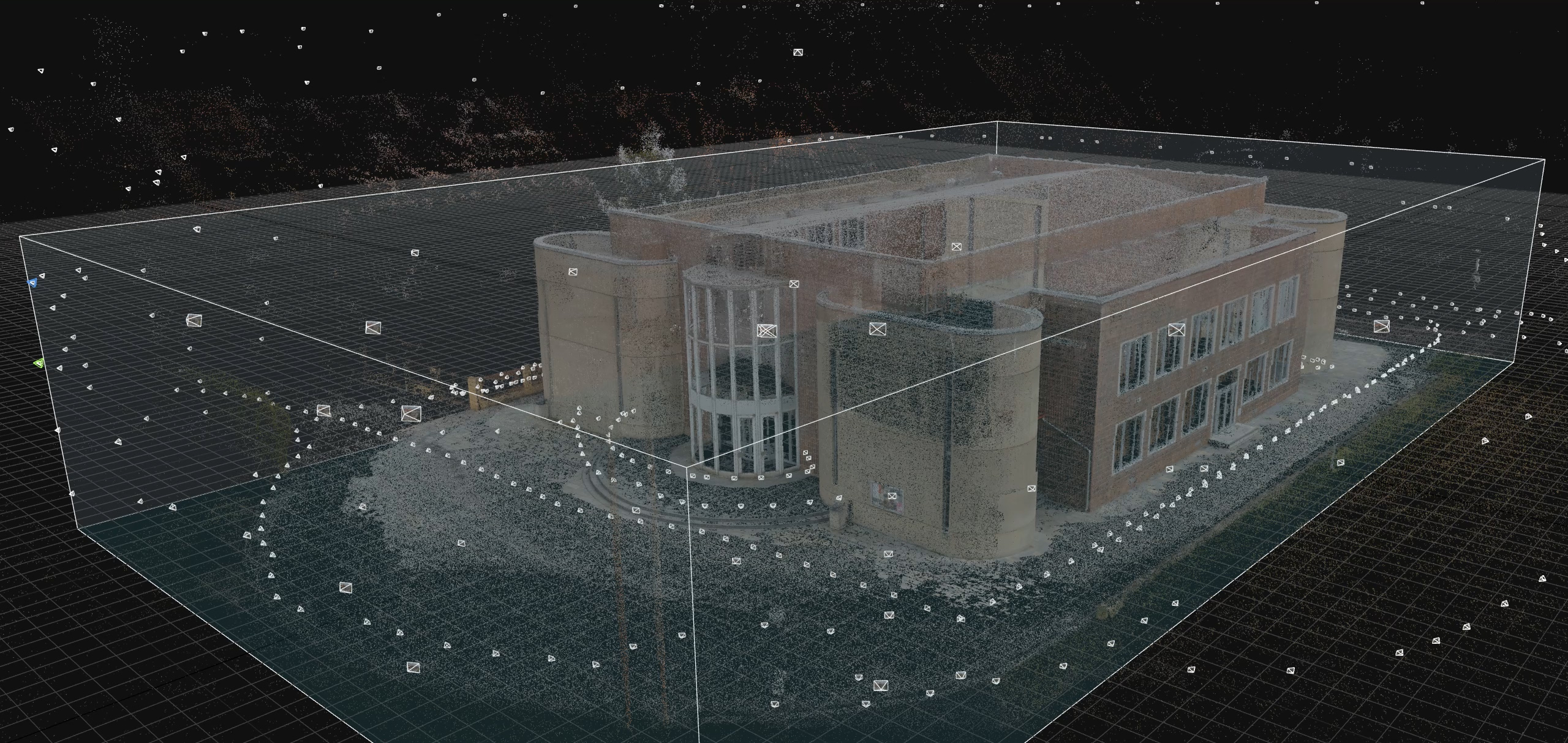
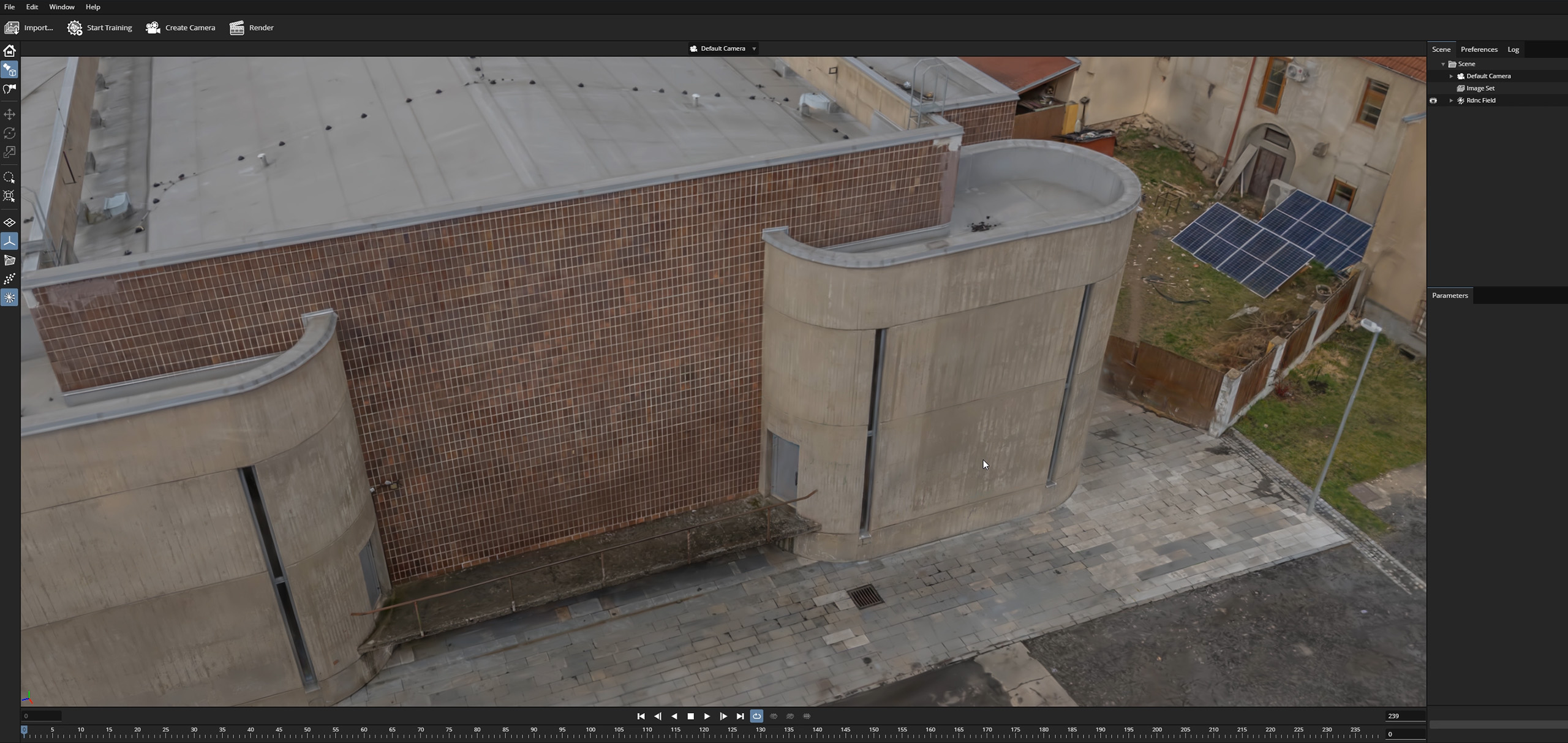
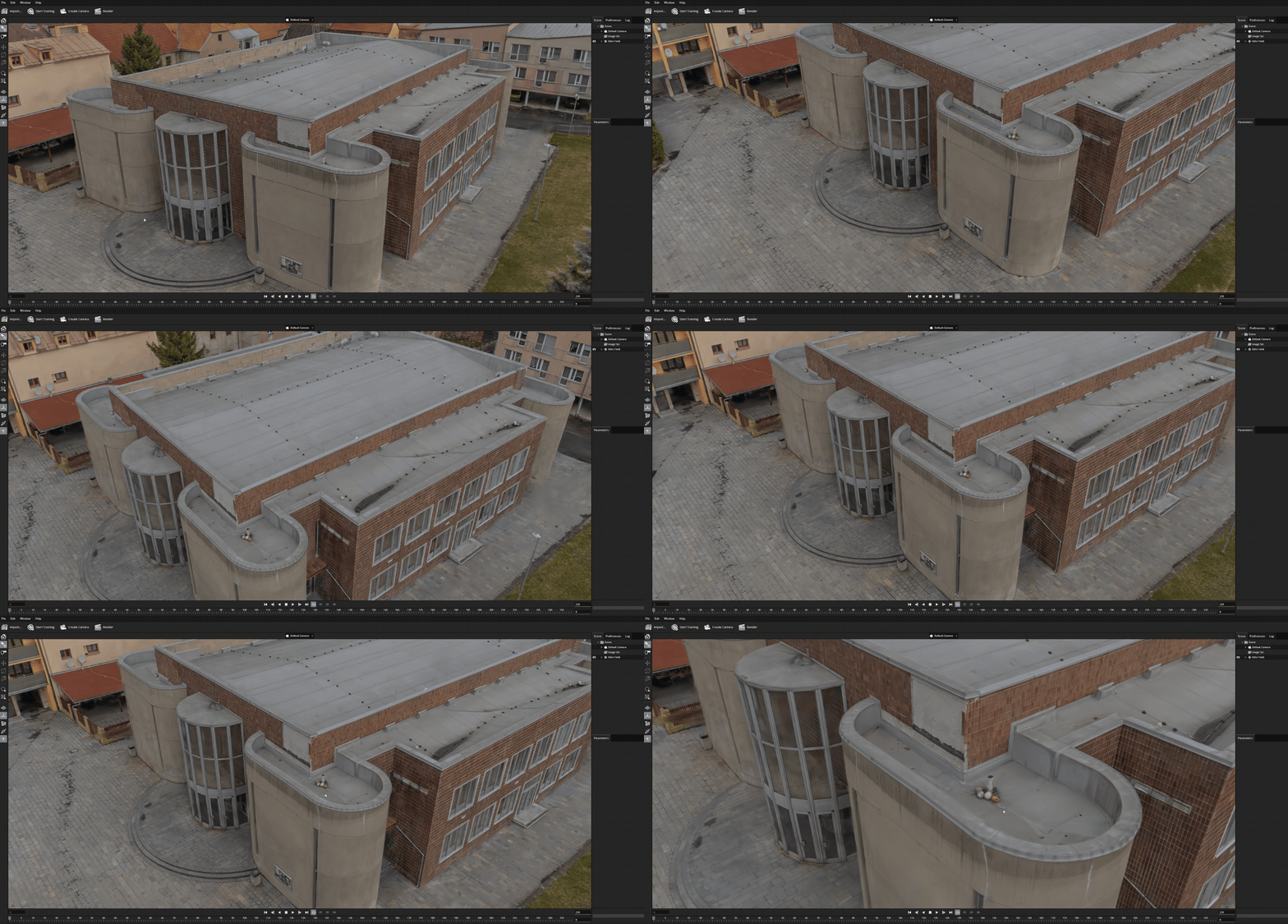
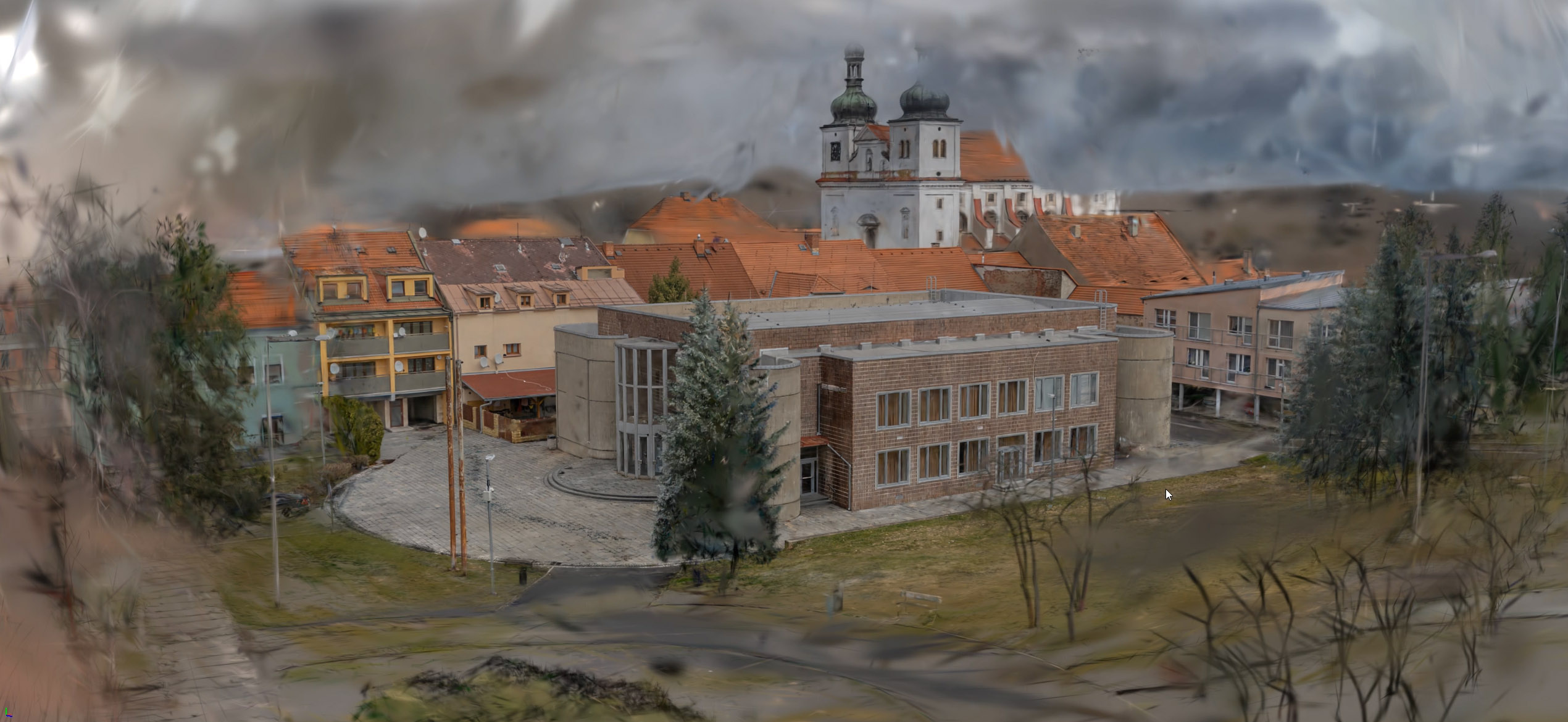
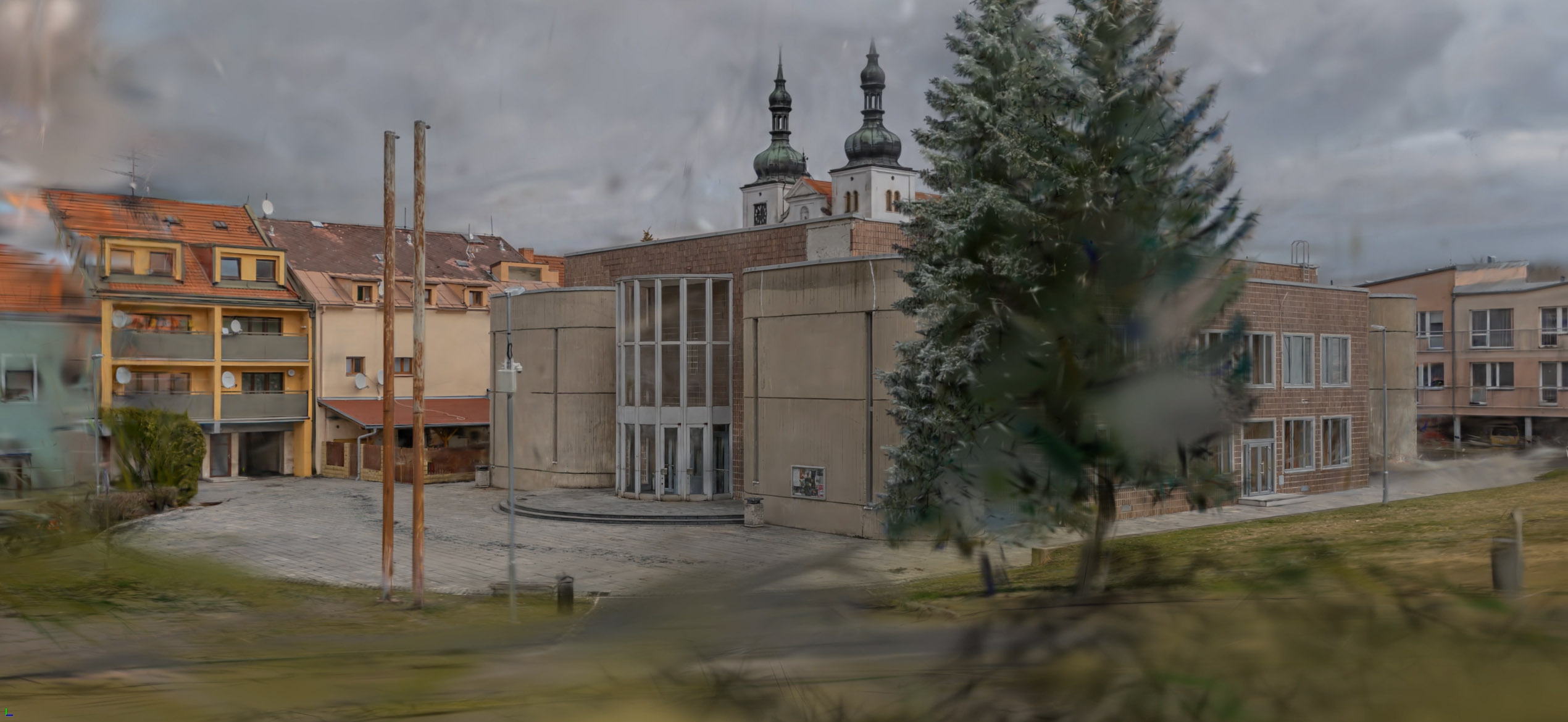
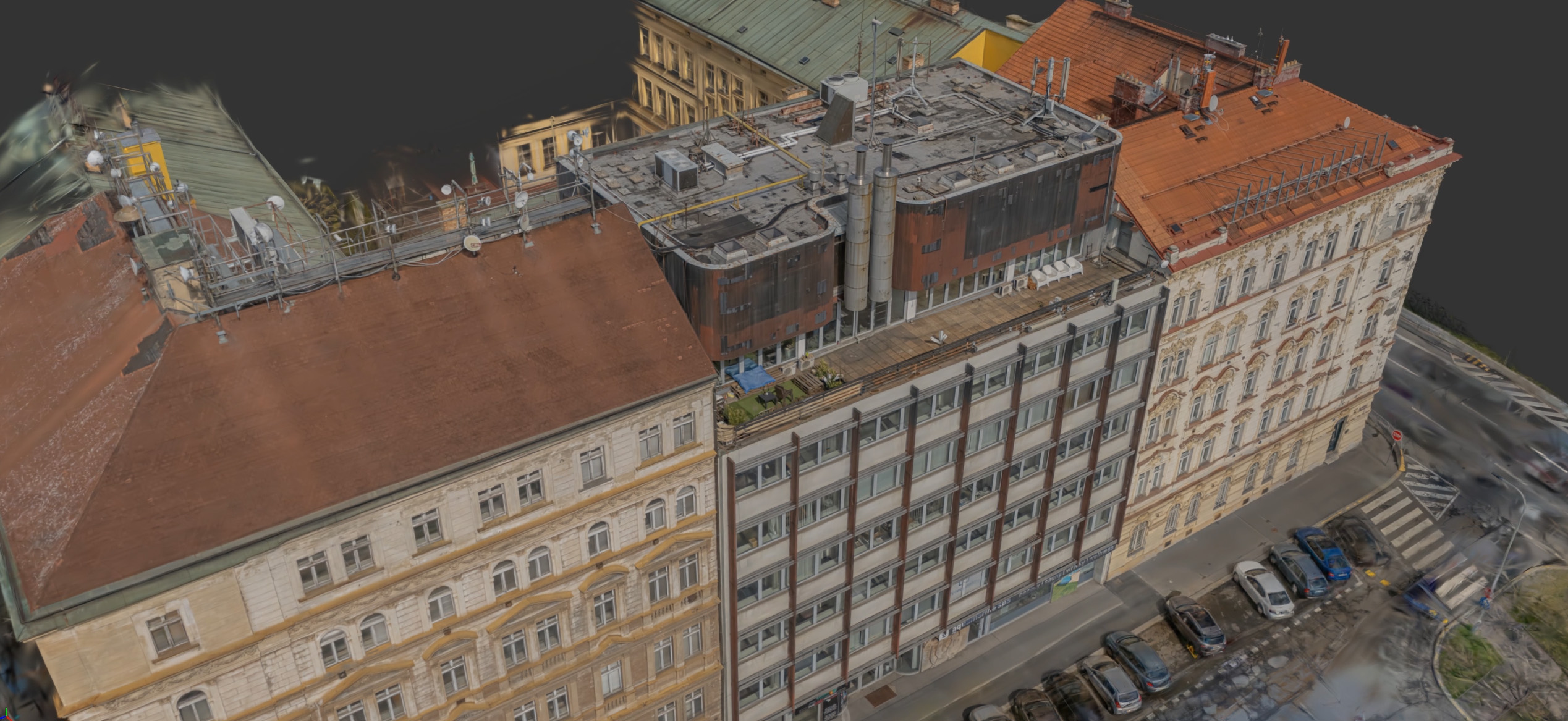
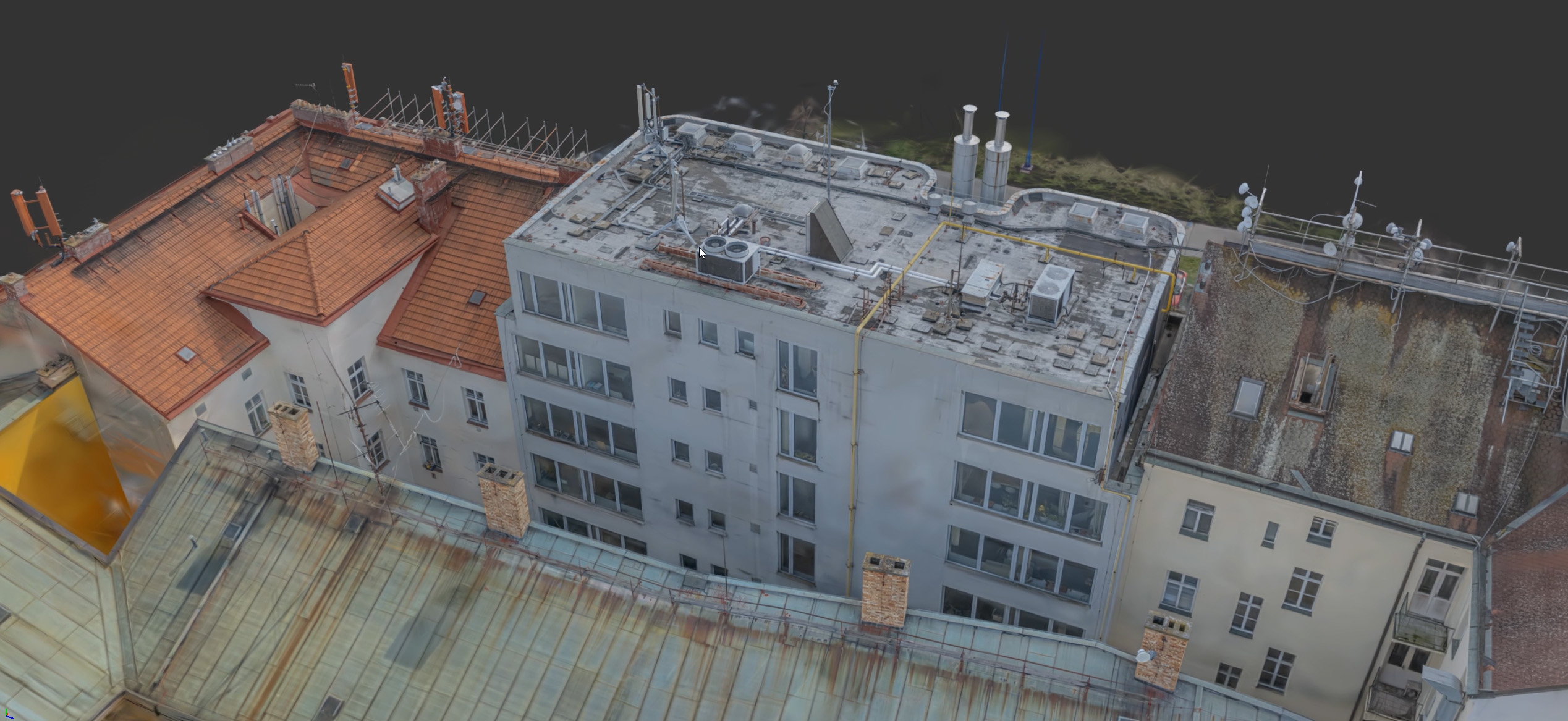
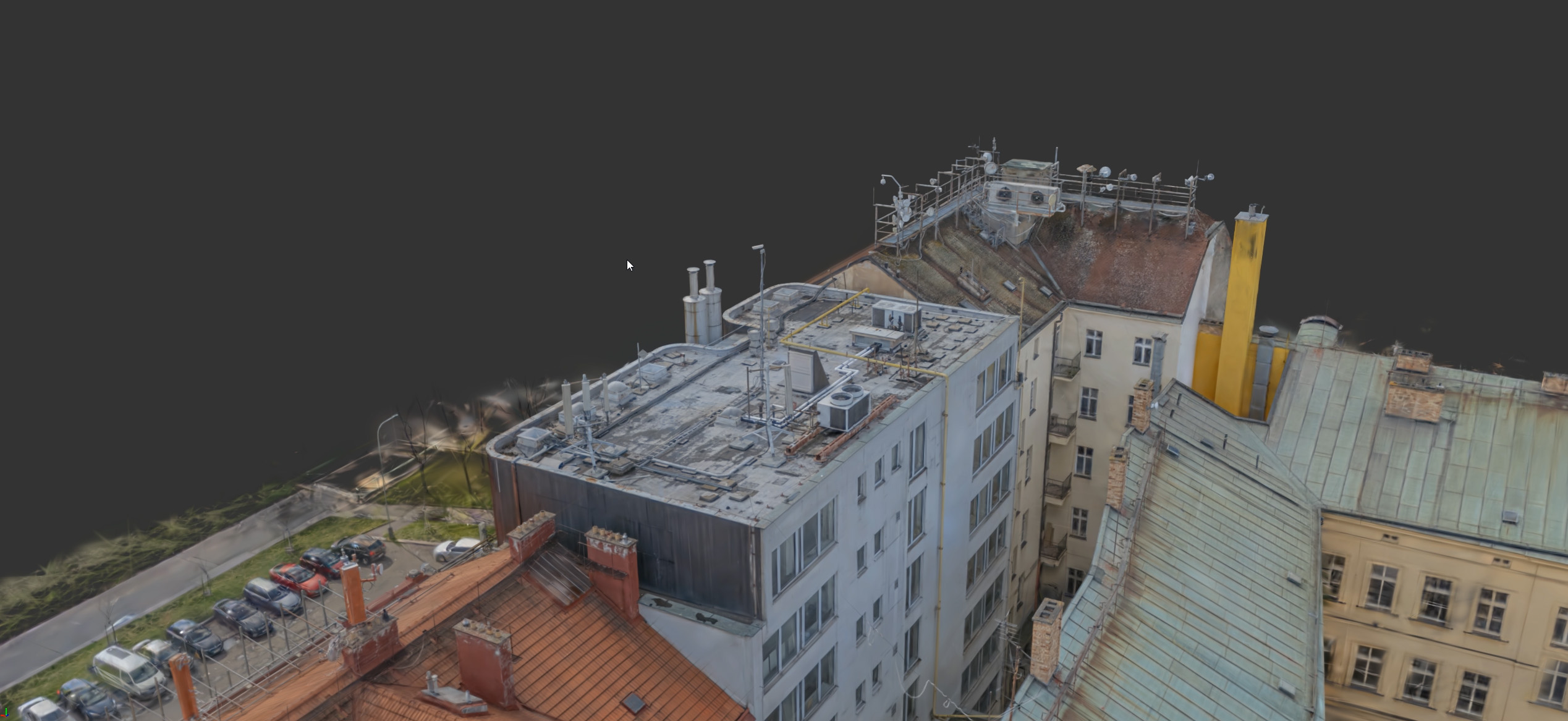
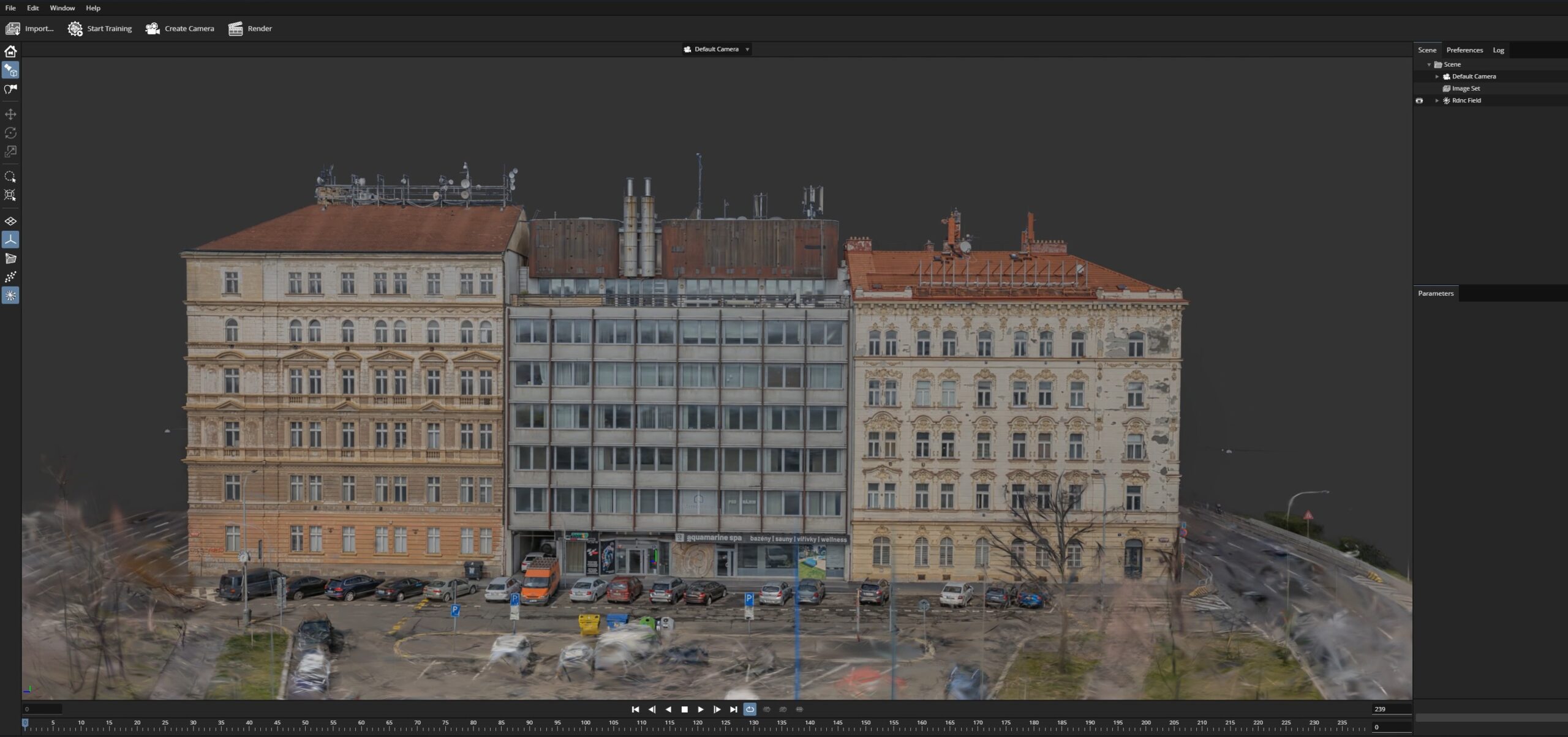
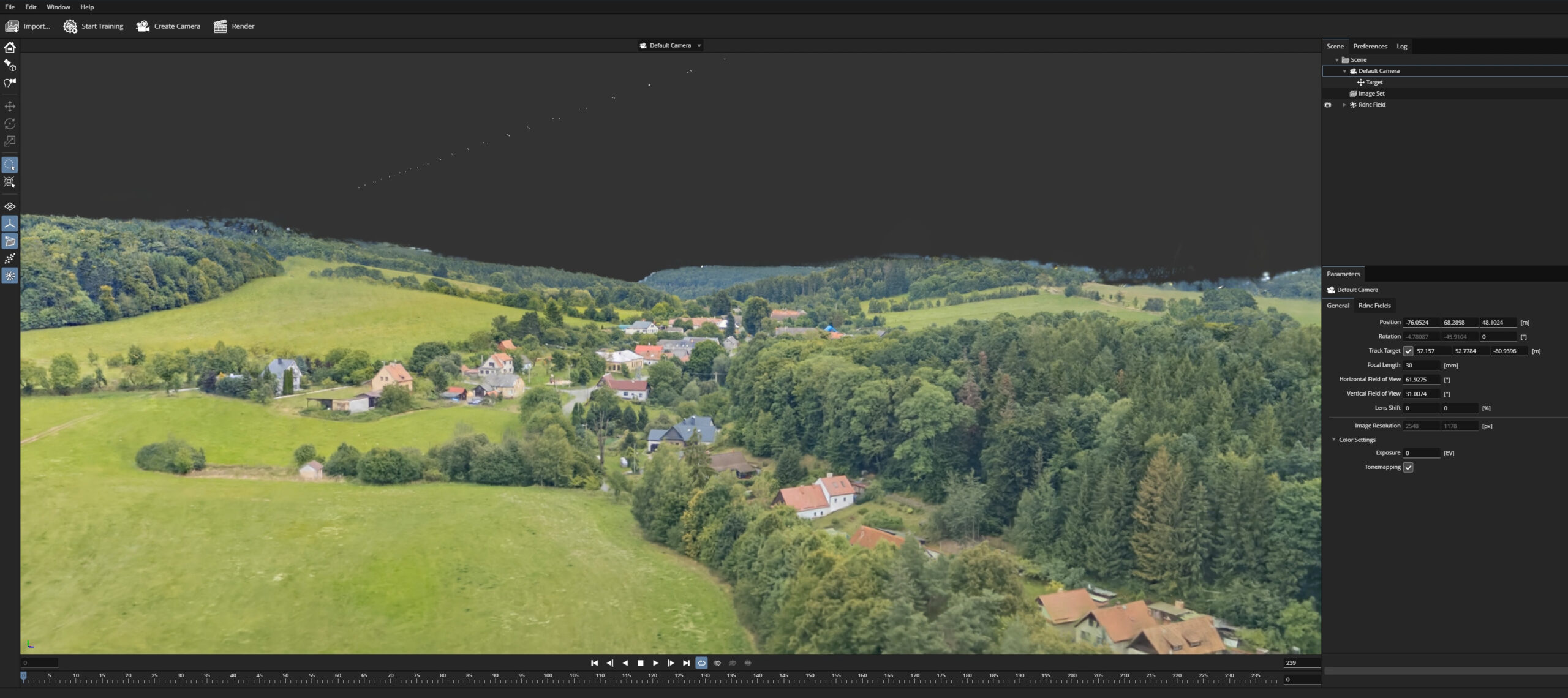
Gaussian Splatting, on the other hand, offers a different approach. It renders the object in 3D space while preserving the illusion of reflections and fine detail, often looking more realistic than a mesh. The trade-off is that it isn’t true geometry, so it can’t be lit or cast shadows like a traditional 3D model.
Each method has its strengths:
- Gaussian splats are great for presenting architecture as-is, with all its natural detail and reflections.
- Classical mesh photogrammetry is better suited for scenes that need dramatic re-lighting or complex compositing.
Nothing’s perfect — but having both options allows the right tool to be used for the right scenario.
More Architecture Services
Check out my other architecture related work and services. Happy to collaborate!

Thanks for checking out the project!

© 2026 ROBOT BARON